

How to Talk to Your Kids About Where Their Food Comes From
Kids are naturally curious, especially about the world around them and how things work. But when it comes to food, many children only ever see the end result: the apple slices in their lunchbox, the chicken nuggets on their plate, the berries in their yogurt.
Understanding where those foods really came from helps kids develop healthier attitudes toward eating, a deeper appreciation for farmers and animals, and a lifelong respect for the environment.
Starting those conversations can feel tricky, so here are some ways that feel natural, are age-appropriate, and also meaningful so they have a lasting impact.
Start with Simple, Honest Explanations
Kids don’t need complicated agricultural science, they just need clarity.
Try breaking it down into simple steps they can imagine. For example:
Carrots grow underground. Farmers plant the seeds, make sure they have water, and when they’re done growing, they pull the carrots out of the soil.
The beef we eat comes from cattle raised on farms. The farmers take care of them every single day, making sure they have food, water, and space to roam.
Berries grow on bushes, and they need sunshine and pollinators like bees to help them grow.
Be honest and straightforward. Kids can handle the truth. What matters is tone and sensitivity.

Explain That Farmers Are Real People Who Care for the Land
Once kids understand that food doesn’t just magically appear in grocery aisles, you can take the conversation deeper by helping them see the people behind their food. Many children who are disconnected from agriculture imagine farmers as characters from picture books, but introducing them to the real work farmers do can be eye-opening. Explain that farmers wake up early, spend long days caring for crops and animals, and use everything from tractors to science-based practices to grow healthy food. When kids begin to understand that local farmers are neighbors, community members, and families that often work the same land for many generations, they start to appreciate the connection between the food on their plate and the hands that raised it.
If you ever visit a nearby farm, encourage your kids to ask questions. Farmers are often more than happy to share what they do, and hearing these stories firsthand can make a lasting impact.
Let Them See, Touch, and Taste the Real Thing
Talking is a great start, but truly experiencing where food comes from is where the understanding really clicks.
Take your children to a local farmers market. Go on a tour of a dairy farm. Have them pick their own pumpkin from the patch, or berries from a bush.
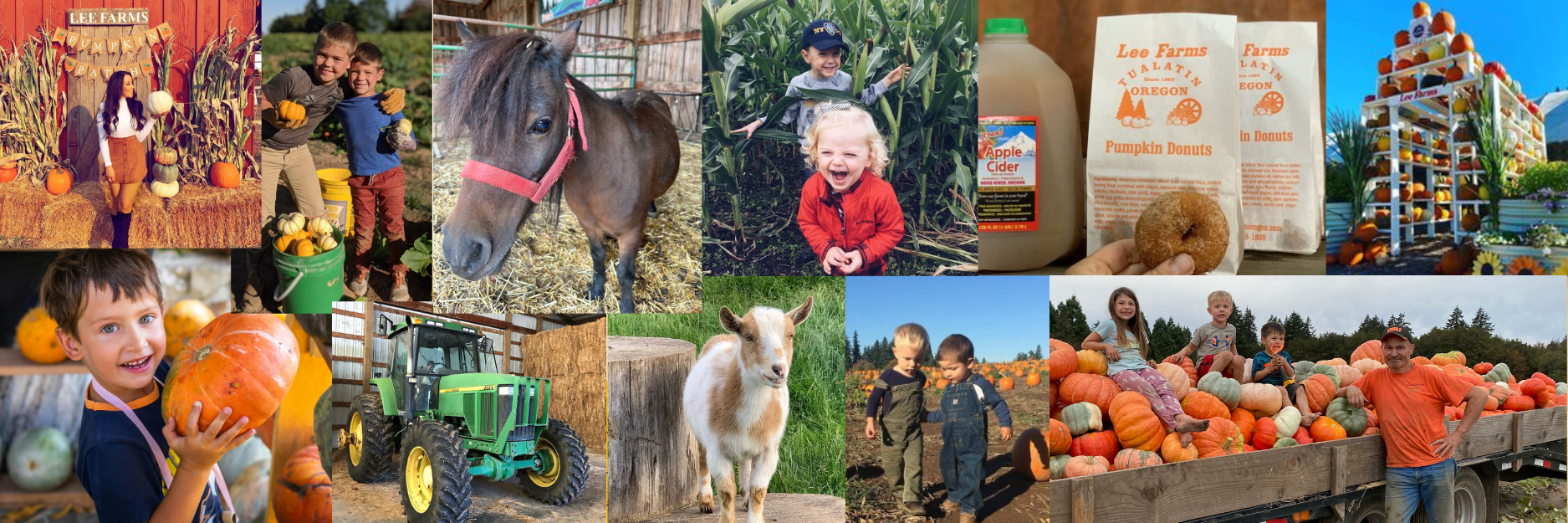
Seeing a strawberry plant or grazing cow helps kids make real connections. At places like Lee Farms, we see this lightbulb moment happen every day! Kids suddenly realize, “Oh! Food doesn’t just appear in the store. Someone grows it!”
Talk About Animals in a Respectful, Age-Apropriate Way
At some point, your son or daughter will ask about where meat comes from, and honestly delivered with sensitivity is the best approach. You can explain that farm animals are cared for with respect and that part of a farmer’s responsibility is ensuring they have clean water, good food, and a healthy life. Help kids understand that animals raised for food play an imp;ortatn role in nourishing our booties, and that gratitude and respect are at the heart of responsible farming.
This conversation doesn’t need to be heavy, just gentle, truthful, and rooted in appreciation.
Make It a Natural Part of Everyday Life
Talking about food origins doesn’t have to be a big “lesson”. It can be woven into everyday moments. When you’re at the grocery store, point out where certain fruits or vegetables are grown. While cooking, ask your kids to help wash produce or measure ingredients and talk about how each one started on a farm. During meals, you can spark curiosity by asking which foods they think came from plants or animals.
Over time, these small conversations build awareness and appreciation without ever feeling forced.
Why These Conversations Matter
Helping kids understand where their food comes from encourages gratitude.
Gratitude for farmers.
Gratitude for the land.
Gratitude for animals.
Gratitude for the work behind every meal.
It also nurtures healthier heating habits, curiosity about the natural works, and a greater sense of responsibility for the environment. When children learn that food isn’t just bought but grown, it deepens their connection to what they eat and the world around them.